
Working land
Farms & timber
Transition productive acreage while preserving capital for the next farm, timber tract, or income-producing property.
Section 1031 Qualified Intermediary
Independent coordination for Section 1031 exchanges involving farms, recreational land, and commercial property—from the first conversation through closing.
Planning to sell? Contact us before your closing.

Property expertise
Section 1031 is flexible: qualifying U.S. real property can often be exchanged across categories. A farm may be exchanged for a commercial building, and improved property for unimproved land.
Transition productive acreage while preserving capital for the next farm, timber tract, or income-producing property.
Exchange hunting, conservation, waterfront, or recreational acreage for another property held for investment.
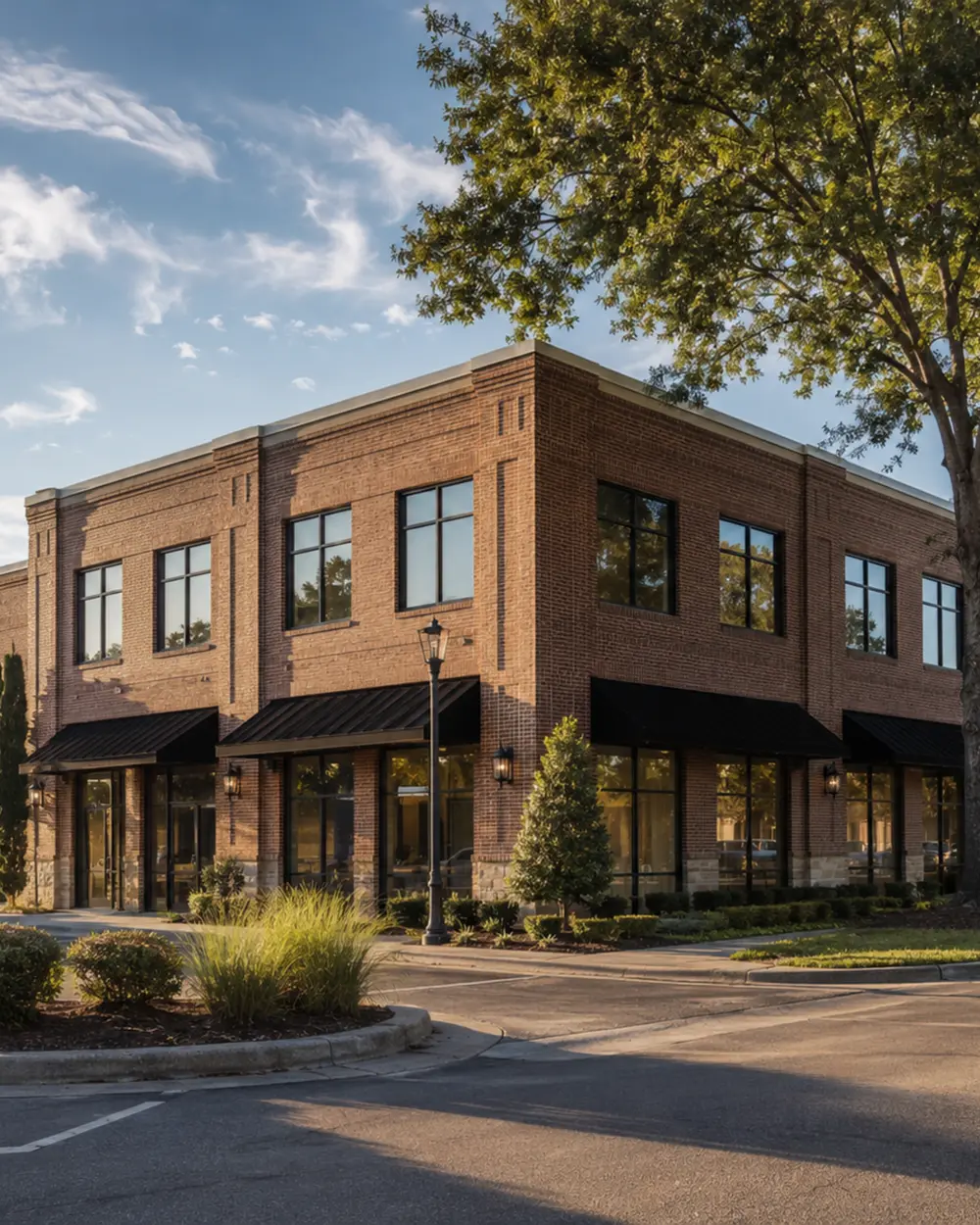
Move from retail, office, industrial, or other investment real estate into property that better fits your objectives.
The exchange process
Every exchange is time-sensitive. We keep your closing team aligned, prepare the required exchange documents, and help you stay ahead of each deadline.
Talk through your transactionContact Secure Exchange as soon as a sale is under contract—and always before title transfers or you receive sale proceeds.
We gather the transaction details, coordinate with your closing professionals, and prepare the exchange agreement and assignment documents.
At closing, the relinquished property transfers to the buyer and the exchange proceeds are directed to the qualified intermediary.
You provide a signed, unambiguous written identification of potential replacement property by midnight on day 45.
We coordinate the exchange funding and closing so the replacement property is received within the applicable exchange period.
Exchange structures
Some exchanges follow the conventional sell-then-buy sequence. Others require advanced planning because the replacement property must be acquired first or improved before the exchange is complete.
Sell first, identify replacement property within 45 days, and acquire it within the exchange period. This is the most common structure.
Acquire or “park” replacement property before the relinquished property is sold. Early planning and separate accommodation arrangements are essential.
Use exchange proceeds for qualifying improvements to replacement property during the exchange period through a properly structured parking arrangement.
Getting started
A short opening conversation is usually enough to determine the next steps. Have these details available if you can—but do not delay contacting us if a closing is approaching.
Request an exchange consultationEducation before execution
A 1031 exchange is a tax-deferral strategy—not a tax elimination strategy. Sound planning includes your qualified intermediary, CPA, attorney, closing professional, broker, and lender.
Frequently asked questions
These general answers help frame the conversation. Your tax and legal advisers should evaluate the specific facts of your exchange.
Section 1031 generally applies to U.S. real property held for investment or productive use in a trade or business. Like-kind is broad for real estate: farm property may be exchanged for a commercial building, and improved property may be exchanged for unimproved land. The intended use and ownership structure still matter.
Potentially, yes. Productive farmland, timberland, hunting acreage, and other recreational land may qualify when held for investment or business use. Personal-use acreage, a primary residence, or property held mainly for resale requires closer tax analysis.
Receiving or controlling the sale proceeds can cause the transaction to be treated as a taxable sale. The exchange agreement and assignment should be in place before the relinquished property transfers, with proceeds directed through the qualified intermediary.
The identification period ends 45 calendar days after transfer of the relinquished property. Replacement property generally must be received by the earlier of 180 calendar days after that transfer or the due date, including extensions, of the tax return for the year of sale. Weekends and holidays ordinarily do not extend these deadlines.
Common identification methods include the three-property rule, the 200% rule, and the 95% rule. The right method depends on the number and value of properties under consideration. Identifications must be signed, timely delivered, and describe each property clearly.
An exchanger seeking full deferral generally aims to acquire replacement property of equal or greater value, reinvest the net equity, and account for debt relief with new debt or additional cash. Cash or other non-like-kind property received may create taxable “boot.” Your tax advisor should calculate the required reinvestment.
Often yes, but cash or other benefits received may be taxable. The timing of any distribution is restricted by the exchange documents and federal safe-harbor rules. Discuss the amount and timing with Secure Exchange and your tax advisor before closing.
Secure Exchange serves as the qualified intermediary and coordinates the exchange mechanics. Your CPA, attorney, and investment advisers remain responsible for tax conclusions, legal advice, property selection, due diligence, and investment decisions.
Before the sale closes
Early coordination protects your options and gives every member of the transaction team time to prepare.
Contact Secure Exchange